
A home inspection is a mandatory, third-party assessment for buyers, ensuring property safety and value. Inspectors examine structural integrity, roofing, electrical & plumbing systems, heating/cooling, and more, identifying issues and recommending remediation. A detailed report aids buyers in making informed decisions, negotiating terms, or walking away from a deal. Understanding inspection scope empowers borrowers to prepare for an exhaustive evaluation by reputable inspectors, aligning with industry standards and borrower requirements. Home inspections naturally uncover red flags like structural deficiencies, outdated wiring, faulty roofs, and hidden moisture damage, preventing costly surprises post-purchase. Interpreting reports allows buyers to prioritize defects, assess maintenance costs, and negotiate effectively. Embracing home inspection insights (1-3% of purchase price) enhances financial security and property value through proactive maintenance.
In the intricate journey of home buying, a comprehensive understanding of potential risks is paramount. This is where a meticulous home inspection emerges as an indispensable tool for both buyers and professionals alike. Given the significant investment involved, ensuring the structural integrity, safety, and environmental fitness of a property is crucial. However, many buyers face challenges in interpreting inspection reports or identifying red flags. This article aims to demystify the process, offering expert insights into what constitutes a thorough home inspection, empowering informed decision-making in one of life’s most significant transactions.
Understanding Home Inspection: A Buyer's Guide

A home inspection is an invaluable step for buyers navigating the real estate market. This process involves a thorough evaluation of a property’s condition, offering insights into its overall quality and potential issues. As a buyer, understanding this critical procedure ensures informed decision-making and can significantly impact your future investment. The primary objective of a home inspection is to provide a neutral third-party assessment, identifying both the strengths and weaknesses of a residence that may not be readily apparent to occupants or even experienced sellers.
For borrowers, especially first-time buyers, comprehending home inspection borrower requirements is essential. Lenders typically mandate this step as part of the mortgage process, ensuring the property meets certain safety standards and accurately assessing its value. A professional inspector will examine various systems and components, including structural integrity, roofing, electrical wiring, plumbing, heating/cooling mechanisms, and more. They will also note any necessary repairs or potential red flags that could impact the home’s longevity or resale value. For instance, a study by the National Association of Home Inspectors (NAHI) revealed that nearly 40% of homes had at least one major defect discovered during inspection, underscoring the importance of this due diligence step.
This process is not merely about identifying problems but also about ensuring transparency and peace of mind. A comprehensive home inspection report provides detailed information on observed issues, recommended remediation, and potential costs associated with repairs. Armed with this knowledge, buyers can negotiate terms, secure a more favorable purchase agreement, or choose to walk away from a deal if the property fails to meet their expectations. By understanding the intricacies of home inspections and their borrower requirements, buyers can confidently navigate one of the most significant financial decisions of their lives.
What to Expect During a Comprehensive Home Inspection

A comprehensive home inspection is an essential step in the home buying process, providing potential buyers with a detailed snapshot of a property’s condition. During this thorough evaluation, a qualified inspector will meticulously assess every aspect of the house, from the foundation and structural integrity to the electrical systems and plumbing. This rigorous process offers borrowers invaluable insights into any existing or potential issues that may impact their decision to purchase and subsequent investment.
Expect the inspection to cover a wide range of components, including exterior structures, roofing, windows, doors, and the overall structural soundness of the property. Inside, the inspector will examine walls, floors, ceilings, heating and cooling systems, insulation, electrical wiring, plumbing fixtures, appliances, and even the quality of air inside the home. A comprehensive report outlining these findings is then provided to the buyer, allowing them to make informed decisions about any necessary repairs or further negotiations before finalizing the purchase.
Understanding what to expect during this process empowers borrowers in their journey towards homeownership. It’s important to remember that a home inspection borrower requirements vary depending on location and loan type, but generally, buyers should be prepared for an exhaustive evaluation. By engaging with reputable inspectors who adhere to industry standards, borrowers can ensure they’re making a well-informed choice about one of the biggest investments of their lives.
Uncovering Potential Red Flags: Common Issues Identified

Uncovering Potential Red Flags: Common Issues Identified During Home Inspection
A home inspection is a crucial step for buyers, serving as a detailed evaluation of a property’s condition. While many aspects are positive, it’s important to recognize potential red flags that could indicate underlying issues. Expert inspectors are trained to identify subtle signs that might go unnoticed by untrained eyes. Common problems include structural deficiencies, such as unevenness in floors or walls, which may point to foundation problems or poor initial construction. Roof repairs or replacements often top the list of concerns; an inspector can assess the age and condition of the roofing materials, flagging potential leaks or damage that could lead to costly repairs.
Plumbing and electrical systems are other critical areas. Leaking pipes, low water pressure, or outdated wiring are red flags indicating necessary upgrades. These issues not only impact a home’s functionality but also affect borrower requirements for mortgage approvals. According to recent surveys, nearly 40% of homes over 50 years old require significant plumbing renovations. Home inspection reports should detail such findings, enabling buyers to make informed decisions and budget accordingly.
Additionally, inspectors can uncover issues related to the property’s history, such as previous water damage or mold growth, which may compromise indoor air quality. These hidden problems can have long-term effects on a home’s value and the health of its occupants. By addressing these red flags early, buyers can avoid costly surprises and make well-informed choices, ensuring a sound investment in their new home.
The Role of Experts: Qualifications and Experience Matter

When considering a home inspection, borrowers often overlook the crucial role played by experts in this process. The home inspection is a critical step for anyone looking to purchase a property, as it provides an unbiased evaluation of a house’s condition. This is where professional inspectors come in, offering their specialized knowledge and experience to guide buyers through what can be a complex and sometimes intimidating task.
Expert inspectors are trained to identify even the subtlest issues within a home’s structure, systems, and components. Their qualifications and years of experience allow them to detect potential problems that may not be apparent to untrained eyes. For instance, an expert might uncover outdated electrical wiring, a faulty roof, or hidden moisture damage—all of which are vital aspects in determining the overall health and safety of a property. Furthermore, these professionals stay updated with industry standards and local building codes, ensuring their inspections align with borrower requirements. Home inspection borrower requirements often include thorough assessments of structural integrity, mechanical systems, and any potential hazards, all of which are within the expertise of qualified inspectors.
Engaging an experienced inspector provides borrowers with peace of mind and a clearer understanding of the property’s actual condition. Their insights can save buyers from costly repairs or unforeseen issues post-purchase. It empowers them to make informed decisions, negotiate terms, or even walk away from a deal if necessary. Ultimately, the role of experts in home inspection is indispensable, ensuring that borrowers receive accurate, detailed information to meet their specific needs and requirements.
Interpreting the Report: Decoding Results for Informed Decisions

Interpreting a home inspection report is a crucial step for buyers, as it provides vital insights into the property’s condition. This process requires careful attention to detail and a clear understanding of what each finding means. The report offers a comprehensive overview, highlighting potential issues or repairs needed, which can significantly impact buying decisions and subsequent borrower requirements.
Buyers should approach the report with an analytical mindset, considering both the immediate concerns and long-term implications. For instance, a minor issue like a cracked tile may not require urgent attention but could indicate a larger structural problem over time. Experts suggest that borrowers delve into the specifics, examining each section thoroughly. This includes assessing the structure, electrical systems, plumbing, roof, and mechanicals for any red flags. A professional home inspection naturally involves detailed documentation, allowing buyers to make informed choices about negotiations or repairs.
One of the key aspects is understanding the report’s language and classifications. Many reports use standardized categories, such as critical, major, and minor defects, which help prioritize issues. Borrowers should be aware that some findings might not immediately affect their finances but could influence future home maintenance costs. For example, energy-efficient windows may be a minor recommendation but could significantly reduce utility bills over time. By decoding these results, buyers can make strategic decisions, ensuring they secure the best possible loan terms and understand the true cost of ownership. This proactive approach to home inspection borrower requirements is essential for a smooth buying journey.
Benefits Beyond the Inspection: Long-Term Home Ownership Value
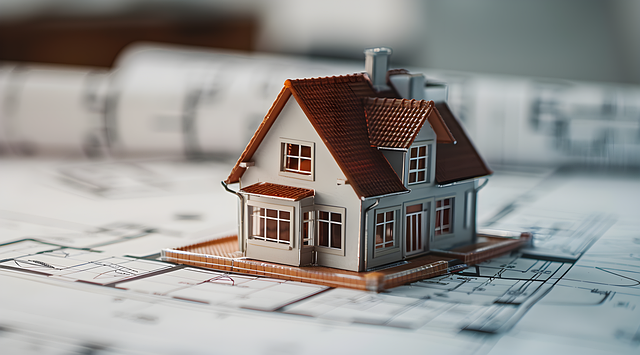
A home inspection is an invaluable tool for buyers navigating the real estate market, offering more than just a snapshot of a property’s current state. For long-term homeownership, this initial evaluation serves as a foundational step to ensure a sound investment that appreciates over time. Beyond identifying immediate repair needs, a thorough home inspection naturally reveals potential red flags and highlights areas where future maintenance or upgrades may be required, thereby safeguarding against costly surprises.
Consider the impact of ignoring these insights. Unforeseen issues can lead to significant financial burdens, from unexpected structural damage to rising energy costs due to outdated systems. A comprehensive home inspection, integrated into the borrower requirements for financing, empowers buyers with data-driven decisions that mitigate risk and enhance property value. For instance, a study by the National Association of Realtors found that homes undergoing pre-sale inspections sold for 3% more than those without, demonstrating the market advantage of addressing issues proactively.
Practical steps include establishing a post-inspection maintenance plan tailored to the property’s unique needs. This proactive approach not only increases the home’s longevity but also attracts future buyers who value such care. Additionally, regular monitoring and updates during ownership can prevent small problems from escalating into major repairs, further enhancing long-term value. Embracing the insights gained from a home inspection—and using them to inform borrower requirements for 1-3% of the purchase price, as is common practice—is a strategic move that contributes to both financial security and property appreciation.