
A home inspection is a vital process for homebuyers and lenders, revealing structural issues and guiding informed decisions. It prevents costly surprises, assists in loan assessments, and fosters transparency. Preparations include document gathering, scheduling, and addressing lender requirements. A thorough inspection covers structural elements, systems, and potential future problems. Understanding the report aids in identifying red flags and safety concerns. Regular inspections protect investments, guide maintenance, and enhance property value. Proactive measures like energy-efficient upgrades safeguard homes and reduce costs.
In the realm of homeownership, a comprehensive understanding of your property’s condition is paramount for informed decision-making. Home inspection stands as a pivotal process, offering homeowners a detailed glimpse into their residence’s structural integrity, systems functionality, and potential issues. However, navigating this intricate process can pose challenges, leaving many unsure where to begin.
This strategic guide aims to demystify home inspection, providing homeowners with the knowledge and tools necessary to ensure a thorough evaluation of their property. By the end, readers will possess the expertise to confidently approach this critical step in maintaining or enhancing their home’s value.
Understanding the Purpose of Home Inspection
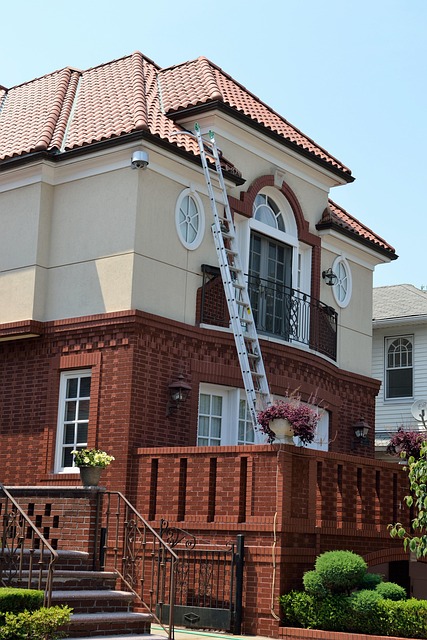
A home inspection is an invaluable process that serves multiple critical purposes for both homeowners and lenders. Beyond simply checking off a box before closing, it’s a comprehensive evaluation that unveils the true condition of a property. This in-depth assessment helps homebuyers make informed decisions about their future investment, while for borrowers, it plays a pivotal role in securing their loan. The primary goal is to identify any potential red flags or structural issues, ensuring both parties are aware of all aspects of the property’s health.
For instance, consider a recent study indicating that unexpected repairs can cost homeowners an average of 10% of their home’s value post-purchase. A strategic home inspection naturally prevents such surprises by uncovering hidden problems like faulty wiring, structural damage, or outdated plumbing. This proactive approach is especially crucial for borrowers, as it allows lenders to assess potential risks and make informed decisions regarding loan approvals and terms. By mandating a thorough home inspection, lenders protect themselves against costly defaults, ensuring the property’s value aligns with the loan amount.
Borrowers should view this process as an essential step in their journey towards homeownership. It empowers them with valuable insights into the property’s maintenance history, potential long-term costs, and necessary repairs, enabling more confident borrowing decisions. In essence, understanding the purpose of a home inspection is not just about meeting borrower requirements; it’s about fostering a transparent and secure environment for both parties involved in the real estate transaction.
Preparing for Your Home Inspection Process

Preparing for your home inspection is a crucial step in ensuring a smooth transition during what can often be a significant financial decision—whether you’re a first-time homeowner or looking to sell. This process involves more than just ensuring the physical condition of your property; it’s about meeting borrower requirements set by lenders and understanding what potential buyers will expect. A home inspection is not merely a checkmark on a list but an in-depth evaluation that can reveal insights into your home’s maintenance history, structural integrity, and even hidden costs for repairs.
Before the inspector arrives, take time to gather essential documents, such as the property’s deed, past inspection reports (if available), and warranties for any major appliances or systems. Organize these records and make them easily accessible. Additionally, consider involving your real estate agent who can provide guidance on common borrower requirements related to home inspections. These may include scheduling the inspection before certain deadlines, ensuring specific areas are accessible, or providing details about recent renovations. Being proactive in these aspects demonstrates a level of professionalism that can positively impact negotiations and the overall transaction process.
It’s also beneficial to schedule your home inspection at an opportune time. Avoid periods of extreme weather conditions as they can obscure issues that might be revealed during a thorough examination. Instead, opt for mild seasons when natural elements are less likely to cloud the results. Furthermore, give yourself enough time after receiving the report to address any concerns or negotiate repairs with potential buyers, ensuring a clear understanding of the property’s current state.
Uncovering Key Areas Inspected During a Home Checkup

A thorough home inspection is an indispensable step for both homeowners seeking to secure a loan and borrowers readying to purchase a new property. This process goes beyond a superficial assessment; it involves a meticulous examination of various systems and components that ensure the home’s safety, functionality, and value. When preparing for a home inspection, understanding the key areas under scrutiny is vital for every homeowner.
During a comprehensive checkup, inspectors scrutinize structural elements such as foundations, walls, floors, and roofs to assess their integrity and stability. They also evaluate essential systems like electrical wiring, plumbing, heating, and cooling mechanisms. For instance, an inspector will check for adequate insulation, proper ventilation in attics and crawl spaces, and the functionality of smoke detectors and carbon monoxide alarms. The interior is thoroughly inspected, including rooms, windows, doors, and finishes, to identify any signs of damage or potential issues like water intrusion or pest infestations.
Home inspection borrower requirements often mandate a detailed report outlining these checks and identifying necessary repairs or replacements. This transparent evaluation empowers both buyers and lenders by providing a clear understanding of the property’s condition. For homeowners, being proactive in addressing any red flags can prevent more significant, costly issues down the line. Remember, a strategic approach to home inspection involves not just identifying current problems but also predicting potential future challenges to ensure a stable investment.
Interpreting Home Inspection Reports: What to Look For

Understanding your home inspection report is a crucial step for any homeowner, especially when considering a significant investment like a property purchase or renovation. This guide aims to empower you with the knowledge to interpret these reports effectively, ensuring you make informed decisions about your home. Home inspection is not just a one-time check but a valuable tool that provides insights into a property’s current state and potential future issues.
A comprehensive home inspection report offers detailed findings across various categories, from structural integrity to electrical systems and plumbing. Here’s what to look for: identify red flags or recurring issues that may impact your safety or the property value. For instance, a borrower considering a historic home should pay close attention to any signs of structural instability or pest infestations, which could affect their loan terms or require additional repairs not initially budgeted for. The report should include clear photographs and detailed descriptions of these findings, making it easier to visualize and comprehend potential problems.
Many lenders mandate specific home inspection requirements as part of their loan processes. This ensures that borrowers are fully informed about the property they’re financing. For example, a mortgage lender might require inspections for termite damage, roof conditions, or electrical safety before approving a loan. Homeowners should familiarize themselves with these borrower requirements to avoid unexpected delays in their real estate transactions. By proactively understanding the inspection process and addressing any concerns raised, you can ensure a smoother journey towards becoming a homeowner or securing funds for your renovation project.
Common Issues Found During Residential Property Assessments

During a home inspection, borrowers and lenders alike expect to uncover a comprehensive overview of a property’s condition. While many common issues can be easily identified, some may require closer scrutiny or specialized knowledge. Herein lies the significance of a thorough home inspection—it not only reveals potential red flags but also provides valuable insights for informed decision-making. Among the myriad of aspects assessed, several recurring themes emerge as critical areas of focus.
One of the most prevalent issues found during residential property assessments is outdated or substandard electrical systems. Older homes often present challenges with wiring, circuit breakers, and outlets, which may increase the risk of electrical fires or power outages. According to recent studies, approximately 25% of homes over 50 years old suffer from significant electrical system deficiencies. Similarly, faulty plumbing—including leaks, corroded pipes, and outdated fixtures—is another common concern, accounting for roughly 15% of inspection findings across all property age groups. These issues not only pose safety hazards but also signify potential long-term financial burdens for borrowers.
Structural integrity is yet another critical aspect that requires meticulous attention during a home inspection. Cracks in foundations, unlevel floors, or uneven walls can indicate serious structural problems that may require costly repairs. Lenders often insist on specific home inspection borrower requirements, such as professional evaluation of the structure’s load-bearing capacity and stability, to mitigate financial risks for both parties involved. In addition to these primary concerns, other areas like roof conditions, heating/cooling systems, and environmental hazards (e.g., mold, asbestos) demand thorough examination to ensure a property’s overall livability and value. By addressing these common issues proactively, borrowers can safeguard their investments and avoid unexpected surprises that may arise from neglecting home inspection findings.
Post-Inspection: Maintaining and Updating Your Home

After a home inspection, many homeowners are left with a wealth of information and recommendations for improvement. This critical phase serves as a roadmap for future maintenance and updates, ensuring your home remains in top condition. A strategic guide to post-inspection care is essential, especially for first-time buyers who may not be familiar with the process. One of the primary objectives during this period is to address any red flags or potential issues identified during the inspection, which is often a requirement set by mortgage lenders (home inspection borrower requirements) before finalizing a loan.
A systematic approach to post-inspection maintenance involves prioritizing tasks based on urgency and severity. For instance, immediate attention should be given to structural concerns like faulty roof shingles, as highlighted in a recent industry study, to prevent further damage and costly repairs down the line. Regular inspections are not just about identifying issues; they also serve as a proactive tool for maintaining property value, which is crucial when considering future resale or refinancing options. Homeowners can expect a detailed report from their inspector, breaking down potential problems by system (plumbing, electrical, HVAC) and providing solutions tailored to their specific needs.
Over time, homeowners should adopt a proactive mindset, scheduling routine checks and updates based on the initial inspection findings. This includes inspecting for water damage, checking the integrity of windows and doors, and ensuring proper ventilation in attics and crawl spaces. By staying on top of maintenance, you can also avoid costly surprises, as unexpected repairs often strain household budgets. For example, a small leak in the roof, if left unaddressed, could lead to substantial interior damage and mold growth, both of which can significantly impact health and property value.
In addition to tackling immediate concerns, homeowners should consider future-proofing their homes by implementing energy-efficient upgrades and safety measures. Many lenders (home inspection borrower requirements) now encourage or even mandate such improvements as they benefit both the environment and household expenses. Simple steps like installing programmable thermostats, upgrading to LED lighting, or adding carbon monoxide detectors can make a substantial difference in comfort, security, and utility bills. By following a structured post-inspection care plan, homeowners can ensure their homes remain safe, comfortable, and valuable assets for years to come.