
Home inspection is a critical process for responsible property ownership, crucial for sales, purchases, and maintenance. It involves a detailed evaluation by experts to assess structural integrity, systems functionality, and potential hazards. Reports guide homeowners and lenders on necessary repairs, upgrades, and maintenance, ensuring property longevity and value. Regular inspections are vital for proactive budgeting, prioritizing repairs, and meeting mortgage terms, especially in regions with specific environmental challenges.
In the intricate landscape of property ownership, a thorough home inspection stands as a beacon of informed decision-making. As folks navigate the bustling real estate market, understanding the intricacies of their potential new abode is paramount. This expert analysis delves into the crucible of home inspection—a meticulous process that unveils the tapestry of a property’s condition. By naturally integrating this practice into their evaluation, property owners can avoid costly surprises and ensure a sound investment. Let’s explore why this step is indispensable in securing your dream home.
Understanding Home Inspection: A Comprehensive Guide for Owners
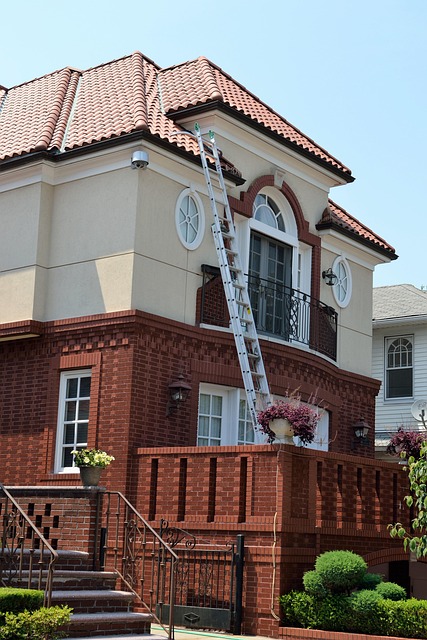
Home inspection is a crucial process that every property owner should understand, especially when considering a sale or purchase, or even as part of routine maintenance. It involves a thorough evaluation of a home’s condition by a qualified inspector, providing an unbiased assessment of its overall quality and potential issues. This comprehensive guide aims to demystify the home inspection process for owners, shedding light on its significance and the key aspects involved.
For borrowers seeking mortgages or refinancing options, understanding home inspection is paramount. Lenders often mandate these inspections as part of their borrower requirements to ensure the property’s value aligns with the loan amount. The inspection report can significantly impact financing decisions, as it identifies any structural defects, necessary repairs, or potential safety hazards. A well-prepared owner, armed with this knowledge, can proactively address concerns, ensuring a smoother process during borrowing and potentially increasing the home’s market appeal. For instance, addressing minor issues like faulty fixtures or cosmetic repairs before listing can lead to quicker sales and better offers, as per recent real estate trends data.
During a typical home inspection, professionals scrutinize almost every element of the property, from the roof and exterior to the electrical, plumbing, and HVAC systems. They document findings, providing owners with a detailed report that serves as a roadmap for future maintenance or renovations. This proactive approach enables homeowners to budget effectively, prioritize repairs, and maintain their investment wisely. By identifying red flags early on, owners can avoid costly surprises, ensuring their home remains a reliable asset over time. Regular inspections are especially beneficial in regions prone to specific environmental challenges, such as earthquake-prone areas or regions with high humidity levels, where potential issues might be more subtle but no less critical.
The Importance of Regular Checks: Protecting Your Investment

Regular home inspections are an essential component of responsible property ownership, acting as a protective measure for one’s significant investment. While many homeowners may overlook this practice, it serves as a proactive approach to identifying and addressing potential issues before they escalate, thereby safeguarding both the structure and financial health of the property. A home inspection isn’t merely a one-time event but an ongoing process that can reveal valuable insights into your residence’s condition.
Consider this: Neglected maintenance can lead to costly repairs or even catastrophic failures. For instance, a delayed roof repair might result in water damage, compromising the structural integrity of the entire building. Similarly, a home inspection borrower requirement often mandates periodic assessments to ensure compliance with mortgage terms and protect lenders’ investments. These inspections play a pivotal role in identifying potential red flags, such as faulty wiring or foundation cracks, which could significantly impact the property’s value and safety. By staying proactive, homeowners can avoid surprise expenses and unexpected disasters.
Implementing regular home inspection routines offers several advantages. Firstly, it enables proactive maintenance, where minor issues are addressed before turning into major problems. For example, a routine check-up might uncover an inefficient heating system, prompting a timely upgrade that saves energy costs in the long run. Secondly, these inspections provide peace of mind, ensuring homeowners are fully aware of their property’s condition. This awareness is crucial when considering sale or renovation projects, as it allows for informed decision-making and accurate budgeting. Furthermore, home inspection borrower requirements often include specific guidelines for frequency, ensuring that properties under mortgage remain in good standing.
Uncovering Potential Issues: What to Look For During Inspection

Uncovering Potential Issues: What to Look For During Home Inspection is a crucial step for property owners, especially those considering a sale or purchase. A thorough home inspection goes beyond a superficial assessment and delves into the structural integrity, systems functionality, and potential hazards of a residence. This process involves meticulous examination of various components—from the roof and exterior to the plumbing, electrical systems, and interior features.
During a home inspection, professionals scrutinize visible signs of wear and tear, water damage, or structural weaknesses that might indicate underlying problems. For instance, a slight tilt in walls or uneven floors could signal foundation issues, while discolored or peeling paint may point to moisture intrusion or pest infestations. Home inspection borrower requirements often mandate this comprehensive evaluation as it reduces financial risks for both lenders and borrowers by identifying red flags early on. By addressing these concerns proactively, homeowners can prevent costly repairs and ensure the property’s longevity.
Furthermore, experts look for efficiency and safety in key systems like heating, ventilation, and air conditioning (HVAC), electrical wiring, and plumbing. Outdated or poorly maintained systems not only pose safety risks but also drive up energy costs. Home inspection reports provide detailed insights into these areas, guiding homeowners and lenders on necessary upgrades or repairs to comply with current safety standards and regulations. Regular home inspections, often recommended before or during a mortgage process, empower borrowers by ensuring they make informed decisions about one of their most significant investments—their home.
Post-Inspection: Repairs, Maintenance, and Future Value Assessment

Following a home inspection, the report becomes a crucial roadmap for both property owners and borrowers. Repairs, maintenance, and future value assessment are key areas that require careful attention. Home inspection is not just a one-time event; it serves as an ongoing guide for maintaining and enhancing property value.
Repairs recommended in the inspection report should be prioritized based on urgency and impact on structural integrity. Promptly addressing these issues not only ensures the safety of occupants but also prevents further damage and cost escalation. Many borrowers, especially those with home loans, are required by their lenders to conduct regular home inspections as part of borrower requirements. This proactive approach aligns with responsible borrowing practices, ensuring that the property remains a secure investment.
Maintenance plays a significant role in preserving the home’s value over time. Regular upkeep can extend the lifespan of various components, from roofing and plumbing to electrical systems. For instance, a study by the National Association of Realtors (NAR) revealed that well-maintained homes sell for 1.5 times more than those neglected ones. Home inspection helps identify maintenance needs, allowing owners to plan and budget accordingly. Borrowers should be aware of these findings as it directly impacts their investment’s future value.
Future value assessment is a forward-looking aspect critical for both property owners and borrowers. Knowing the potential resale value of a home enables informed decision-making. Home inspection data can be used to predict market trends and identify areas where improvements could maximize return on investment. For instance, upgrading kitchens or bathrooms, which are often highlighted in inspections as areas for modernization, can significantly enhance a home’s appeal to prospective buyers. Borrowers should consider these insights when planning long-term financial strategies related to their properties.