
A home inspection is a mandatory process for borrowers, ensuring property safety and transparency. Professional inspectors assess structural integrity, electrical systems, plumbing, roofing, and interior conditions, providing detailed reports. These inspections benefit borrowers by revealing potential issues, guiding maintenance decisions, and protecting investments. Understanding the report allows homeowners to prioritize repairs, enhance energy efficiency, and maintain property value.
In the intricate world of homeownership, a thorough understanding of your property’s condition is paramount. Whether you’re a seasoned investor or a first-time buyer, navigating the complexities of maintaining a home can be daunting. This strategic guide aims to demystify the process of home inspection, equipping homeowners with the knowledge and tools to make informed decisions about their most valuable asset. By providing a practical step-by-step approach, we empower you to uncover potential issues, ensure quality, and make sound investments in your home. Let’s delve into the art of home inspection, enabling you to confidently navigate this crucial aspect of homeownership.
Understanding the Purpose of Home Inspection
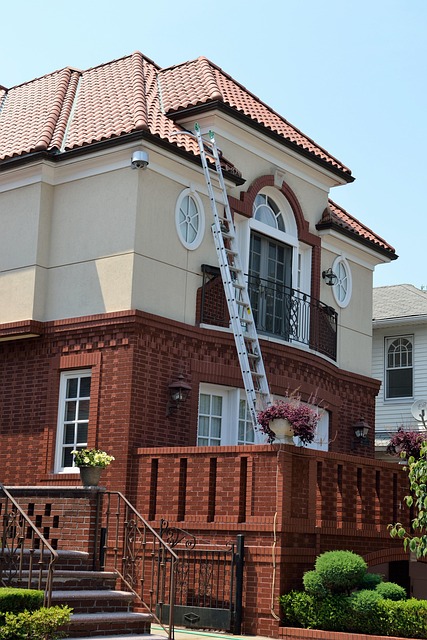
A home inspection is an invaluable process for both homeowners and borrowers, serving as a comprehensive evaluation of a property’s condition. Beyond merely identifying cosmetic issues, this strategic guide delves into the critical purpose of home inspection, elucidating its role in ensuring safety, transparency, and informed decision-making.
Home inspections are particularly paramount for borrowers seeking mortgages. Lenders often mandate these thorough assessments to safeguard their investment and mitigate risks associated with potential property defects. For instance, a 2021 study by the National Association of Real Estate Professionals (NAREP) revealed that homes undergoing pre-purchase inspections had significantly lower rates of post-occupancy repair claims, averaging 23% less than properties without inspection. This underscores the economic and safety benefits of home inspection for borrowers.
The primary objective is to provide an unbiased third-party perspective on a property’s integrity. Professional inspectors meticulously examine every aspect, from structural soundness to electrical systems, plumbing, roofing, and interior conditions. They document findings, providing homeowners with detailed reports that serve as valuable resources for future maintenance or negotiation strategies. This proactive approach empowers borrowers by fostering transparency between buyers, sellers, and lenders, ensuring a well-informed transaction. By understanding the intricacies of home inspection, borrowers can actively participate in the process, make informed decisions, and ultimately protect their investment.
Preparing for Your Home Inspection Appointment

Preparing for your home inspection is a crucial step in ensuring a smooth and stress-free buying or selling process. Understanding what to expect during the appointment and how to prepare can make all the difference. This strategic guide offers homeowners practical insights to navigate this essential phase, especially with regard to meeting borrower requirements for home inspection.
Start by gathering relevant documents, such as your property tax records, insurance information, and a list of recent maintenance work or repairs. These details provide context for the inspector, enabling them to offer more accurate assessments. For instance, having records of roof replacements or kitchen upgrades can help in identifying potential issues or advantages. Remember, the home inspection borrower requirements often include providing access to these documents, ensuring a transparent evaluation.
Next, schedule a walk-through of your property with the inspector beforehand if possible. This collaborative effort allows you to point out specific areas of interest or concern. By doing so, you can prioritize issues that need addressing and gain valuable insights into potential red flags. It’s essential to communicate openly during this process, as it aligns closely with home inspection borrower requirements, fostering a cooperative environment for a thorough evaluation.
Additionally, consider making a list of questions to clarify any uncertainties. Home inspections can involve complex terminology, so seeking clarification on aspects like structural integrity or energy efficiency is entirely reasonable. Prepare questions about potential issues found during the inspection, recommended remediation, and their impact on the property’s value. This proactive approach ensures you leave the appointment with a comprehensive understanding of your home’s condition, aligning perfectly with the goal of satisfying borrower requirements for home inspection.
What to Expect During a Comprehensive Home Inspection

A home inspection is a crucial step for homeowners, especially when considering a sale or purchase. During this thorough evaluation, professionals assess every aspect of a property to ensure its condition meets safety and quality standards. Borrowers, too, benefit from understanding what to expect, as it influences their financing decisions and reveals potential red flags. Herein lies the significance of comprehending the home inspection process.
The comprehensive home inspection involves meticulous scrutiny of both structural elements and systems within the house. Inspectors delve into the physical condition of walls, floors, roofs, and foundations, checking for signs of damage or instability. They also scrutinize critical components like electrical wiring, plumbing, heating/cooling systems, and appliances to ensure they function optimally and safely. For instance, a qualified inspector will inspect the roof’s integrity, checking for missing shingles or structural damage that might lead to leaks. Similarly, the plumbing system is evaluated for leaks, corrosion, and adequate water pressure, addressing potential issues before they escalate.
In addition to structural and functional assessments, lenders often require home inspections to mitigate risk. According to recent data, properties with well-maintained systems and structures have lower loan default rates, making these checks essential for securing mortgages. Borrowers should expect a detailed report outlining any identified problems, along with recommendations for repairs or replacements. This report is invaluable for making informed decisions about necessary maintenance, budgeting, and prioritizing improvements. By being proactive in addressing issues, borrowers can ensure their home remains a solid investment.
Interpreting and Acting on Your Home Inspection Report

Understanding your home inspection report is a critical step for any homeowner, especially when it comes to identifying potential issues and making informed decisions about your property. This strategic guide aims to demystify the process, empowering you to interpret and act upon the insights gained from a thorough home inspection naturally.
A home inspection involves a professional evaluator assessing your property’s condition and structure, offering detailed feedback on its current state. These reports can range from general assessments to comprehensive documents outlining every aspect of your home, including its systems, features, and potential red flags. One of the key aspects of ownership is understanding these findings, as they directly impact your safety, investment value, and future maintenance costs. Home inspection borrower requirements often mandate these checks to mitigate risks and ensure transparency in real estate transactions.
Upon receiving your report, start by skimming through it to identify any immediate concerns or critical issues flagged by the inspector. These might include structural problems, faulty electrical systems, or signs of water damage. For each item, consider the severity and potential impact on your safety and the home’s value. Prioritize addressing these urgent matters first. For instance, a severe roof leak requiring immediate repair is more pressing than minor cosmetic issues. You can then create a timeline for follow-up inspections or repairs based on urgency.
Additionally, delve deeper into the report to uncover potential long-term maintenance needs and energy efficiency areas. These could include recommendations for upgrading outdated fixtures, improving insulation, or suggesting adjustments to maximize natural light. Embracing these suggestions not only enhances your home’s comfort but also contributes to its overall value. Home inspection borrower requirements often emphasize proactive maintenance as a responsible approach to property ownership. By taking action based on the report’s insights, you ensure that your home remains in excellent condition, enhancing its appeal and marketability should you choose to sell in the future.