
A home inspection is a crucial, unbiased evaluation of a dwelling's condition, involving structural integrity, mechanical systems, and safety feature assessments. It uncovers issues in 70% of cases, aiding borrowers and lenders in informed investment decisions. Preparation involves decluttering, preventive maintenance, and understanding common findings. Experts use advanced tools to identify hidden problems like leaks or electrical issues, benefiting owners and borrowers alike. Post-inspection, issues are prioritized for repair, ensuring homes remain well-maintained, valuable, and safe.
In the realm of property ownership, making informed decisions is paramount. Home inspection stands as a cornerstone for ensuring both the safety and investment value of a residence. Yet, many homeowners overlook its critical importance, leaving them vulnerable to unforeseen issues that can arise. This article provides expert analysis on home inspection, offering invaluable insights for property owners seeking to protect their largest investment. By understanding the intricacies involved, you’ll be empowered to navigate this process effectively, ensuring peace of mind and a secure future for your home.
Understanding Home Inspection: What to Expect
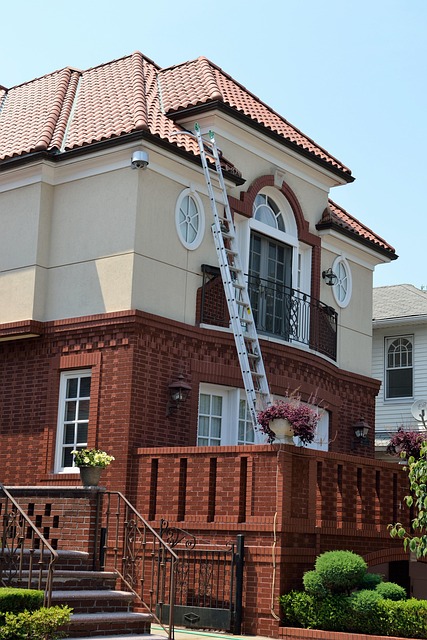
A home inspection is a crucial process for property owners, especially those considering a sale or purchase, as it provides an in-depth assessment of a dwelling’s condition. During this thorough examination, a qualified inspector will evaluate every aspect of the property, from structural integrity to mechanical systems and safety features. Understanding what to expect during a home inspection is essential for both buyers and sellers, ensuring a transparent and informative process that meets borrower requirements.
The scope of a typical home inspection includes exterior evaluations, such as roof condition, siding integrity, and visible signs of damage or wear. Inspectors will also delve into the interior, checking the quality of wiring, plumbing, heating, and cooling systems, while assessing the functionality and safety of appliances. One key area is the structural assessment, where experts look for any signs of foundation issues, misalignment, or instability, as these could impact a home’s longevity and value. Borrowing from industry standards, inspectors will use specialized tools and methodologies to identify potential problems, ensuring a comprehensive report that meets borrower requirements.
For instance, data suggests that nearly 70% of home inspection reports reveal at least one major issue. This highlights the importance of having a professional inspection before closing on a property. By understanding the potential outcomes, borrowers can be better prepared, making informed decisions and avoiding costly surprises. Home inspection borrower requirements often include a thorough review of these reports, as they provide critical insights into a property’s condition, helping lenders and borrowers alike to mitigate risks and ensure a sound investment.
Preparing Your Home for a Comprehensive Evaluation

Preparing your home for a comprehensive home inspection is a crucial step that often gets overlooked by property owners. This process isn’t just about ensuring a smooth transaction when selling; it’s also an opportunity to identify and address potential issues that could impact your safety, comfort, and investment value. A thorough home inspection reveals not only current problems but also predicts future maintenance needs.
Before inviting an inspector into your home, consider it a chance to optimize its condition for both the inspection and any future occupants. Start by decluttering spaces to allow for clear access during the inspection process. Remove personal items that might obscure important features or systems like electrical panels, water heaters, or HVAC units. This step facilitates easier examination and provides a more accurate picture of your home’s current state. Remember, the primary goal is to enable the inspector to conduct a comprehensive evaluation, aligning with borrower requirements for mortgage lending.
Additionally, schedule preventive maintenance tasks before the inspection. Address any known issues—leaking faucets, loose hinges, or faulty appliances—as these could be interpreted as red flags. Regular upkeep demonstrates your commitment to home care and may prevent minor problems from escalating into costly repairs. Keep in mind that lenders often require a certain level of maintenance during the home inspection borrower requirements process. For example, a functioning smoke detector in every bedroom is not just a safety measure but also a requirement many mortgage lenders enforce for home inspections.
Finally, familiarize yourself with common home inspection findings to better understand what to expect. This knowledge empowers you to prioritize potential repairs and maintain your home effectively. By actively participating in the preparation process, you ensure that any issues discovered during the inspection are accurately documented, facilitating a successful resolution and potentially saving you from costly surprises down the line.
Uncovering Potential Issues: Expert Analysis Techniques

Uncovering potential issues is a cornerstone of any thorough home inspection, an essential step for both property owners and borrowers looking to make informed decisions. Experts utilize a combination of advanced knowledge, specialized tools, and meticulous observation to reveal hidden problems that may affect the home’s safety, value, or future performance. This involves not just checking visible signs but also delving into the property’s history, structural integrity, systems functionality, and environmental factors.
One key technique is the use of moisture meters to detect leaks or humidity issues behind walls or under floors, problems that often go unnoticed but can lead to severe structural damage or mold growth. Thermal imaging cameras are another valuable tool, allowing inspectors to visualize temperature variations that may indicate electrical issues, leaky pipes, or inadequate insulation. Additionally, experts analyze the home’s physical condition, checking for signs of wear and tear, structural cracks, uneven floors, or compromised foundations—all red flags that could signal more serious problems ahead.
Home inspection borrower requirements often mandate a comprehensive assessment of these very aspects. Lenders typically insist on inspections to mitigate risk, ensure property value, and protect borrowers from potential financial losses due to unforeseen defects. For instance, in regions prone to natural disasters like earthquakes or hurricanes, specific safety features and structural integrity must be thoroughly checked. A qualified inspector will also assess the condition of vital systems such as HVAC, plumbing, electrical wiring, and roofing—all crucial for maintaining comfort, safety, and long-term value of the property, meeting key borrower requirements in the process.
Regular home inspections can serve as a proactive measure, preventing minor issues from escalating into costly repairs. For property owners, staying on top of potential problems enables timely addressing and budget planning. Moreover, an expert home inspection provides peace of mind, ensuring that one’s investment is sound and that any red flags are identified early on. By embracing these expert analysis techniques, both borrowers and owners can make confident decisions about their real estate investments.
Post-Inspection: Next Steps and Maintenance Strategies

After a thorough home inspection, property owners are presented with a comprehensive report outlining findings and potential issues. This critical step serves as a roadmap for future maintenance and repairs, ensuring the long-term health and value of the home. The post-inspection phase is where the true benefits of this process become evident, guiding both current residents and prospective borrowers alike.
One of the primary tasks following a home inspection is prioritizing issues based on severity and cost. Borrowers, in particular, often have specific requirements regarding repairs before securing or maintaining mortgage financing. Addressing these concerns promptly not only ensures borrower satisfaction but also prevents minor issues from escalating into costly repairs. For example, a roof with several missing shingles identified during the inspection should be repaired swiftly to avoid water damage and structural problems down the line. Home inspection borrower requirements often mandate timely remediation of such findings.
Regular maintenance schedules, informed by the inspection report, are essential for keeping the home in top condition. This includes scheduling professional services for specific tasks like plumbing, electrical work, or HVAC repairs, as per the inspection’s recommendations. By implementing a proactive approach to maintenance, homeowners can mitigate potential disasters and extend the life of their investment. Data suggests that well-maintained homes not only retain their value but also attract better rental tenants or buyers when put on the market. Additionally, regular inspections every few years help track the home’s condition over time, making it easier to identify and address issues early.