
A home inspection is a comprehensive evaluation of a property's condition, focusing on structural integrity, systems functionality, and safety hazards. Borrowers preparing for mortgages must understand lender requirements, such as standard or specialized inspections. Homeowners should cooperate fully, disclose pre-existing issues, and prepare for the process to ensure accurate assessments. Regular inspections prevent costly repairs and health risks by identifying issues early. Interpreting inspection reports is crucial for understanding a property's value and potential problems. In real estate transactions, home inspections uncover critical issues that impact value and safety. Post-inspection, proactive measures like addressing structural defects and upgrades enhance home safety and property value.
In the intricate world of real estate, making informed decisions about a property’s health is paramount for both buyers and sellers. Home inspection stands as a cornerstone process, offering a comprehensive evaluation of a residence’s structural integrity, systems, and overall condition. However, many homeowners remain unfamiliar with its intricacies, often overlooking potential red flags that could impact their investment significantly. This article delves into the art of home inspection, providing expert insights to empower property owners in navigating this crucial step, ensuring they make well-informed choices with confidence.
Understanding Home Inspection: A Comprehensive Guide
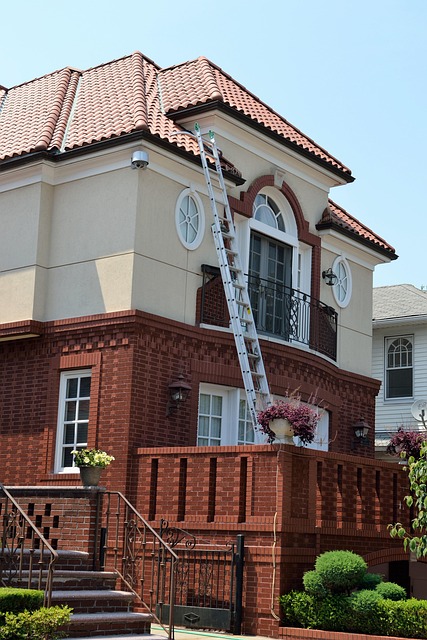
A home inspection is a crucial process for property owners, serving as a comprehensive evaluation of a home’s condition. It goes beyond a surface-level assessment, delving into the structural integrity, systems functionality, and potential safety hazards of a residence. For borrowers looking to secure a mortgage, understanding the intricacies of home inspection borrower requirements becomes essential. This process is designed to protect both the lender and the buyer by revealing any red flags that could impact the property’s value or habitability.
During a typical home inspection, professionals examine key elements such as the roof, electrical wiring, plumbing, heating and cooling systems, and structural components like foundation and walls. They also assess the overall quality of craftsmanship and materials used in construction. For instance, an inspector will look for signs of water damage, mold growth, or poor ventilation—issues that can significantly impact a home’s value and the health of its occupants. By adhering to standardized guidelines and borrower requirements set by lending institutions, inspectors provide an unbiased third-party perspective on the property’s condition.
Home inspection borrower requirements vary depending on factors like loan amount, property type, and local regulations. Lenders often mandate specific types of inspections for different scenarios—a standard home inspection for conventional loans, or specialized inspections for properties with unique characteristics (e.g., older homes, pools, or renewable energy systems). Borrowers should be prepared to provide detailed information about the property during the application process to ensure a smooth inspection process. This includes offering access to all areas, removing obstacles, and providing relevant documentation. By cooperating fully with inspectors, borrowers demonstrate their commitment to transparency and responsible homeownership.
Preparing Your Home for the Inspection Process

Preparing your home for a home inspection is a crucial step in ensuring a smooth process and potentially avoiding unexpected issues down the line. This proactive approach is especially vital for homeowners considering a sale or those who have recently purchased a property, as it allows them to understand their asset’s condition and address any red flags. A home inspection naturally serves as a comprehensive evaluation of a dwelling’s structure, systems, and features, providing insights that can impact both its value and the borrower’s requirements in future financing.
Before the inspector arrives, homeowners should conduct a thorough self-assessment. Begin by gathering all relevant documents related to the property, such as maintenance records, permits for past renovations, and warranties for appliances or fixtures. This documentation not only aids the inspector but also helps you track any ongoing maintenance tasks. For instance, having detailed records of roof repairs or water heater replacements can demonstrate responsible homeownership. Additionally, declutter your space to allow for easy access and inspection of all areas. Remember, the goal is to provide clear visibility to every aspect of your home, from the foundation to the attic.
During the inspection process, borrowers should be prepared to discuss any existing issues or concerns openly. Home inspection borrower requirements often involve disclosing pre-existing conditions to ensure accurate insurance assessments and potential loan adjustments. For example, if you’ve noticed a persistent leak in the basement, it’s essential to mention this during the inspection. Addressing such matters honestly can prevent future complications and may even save on costs related to home repairs or insurance claims. By being transparent and proactive, borrowers can navigate the financing process with greater ease, ensuring their investment is well-protected.
Uncovering Key Components During a Professional Check

A thorough home inspection is an invaluable process for property owners, offering a comprehensive evaluation of a home’s condition and potential issues. During a professional check, experts uncover key components that significantly impact the property’s value, safety, and longevity. This meticulous process involves a detailed examination of structural elements, systems, and features that may not be readily apparent to occupants.
One critical aspect is assessing the structural integrity, including walls, foundations, roofs, and floors. Inspectors look for signs of rot, settling, or damage that could indicate larger problems. For instance, a slight slope in the roof might suggest poor drainage, leading to potential leaks and further structural compromise. Home inspection borrower requirements often mandate this detailed structural analysis to ensure the property’s stability and mitigate future financial risks. Moreover, checking for proper ventilation and insulation is crucial; inadequate systems can lead to energy inefficiencies and even health hazards.
Another essential element is an evaluation of critical systems like plumbing, electrical, and heating/cooling units. A professional inspector will test these components for functionality, capacity, and safety compliance. Older homes may require special attention regarding lead paint or asbestos, which were commonly used in construction but pose significant health risks. According to recent studies, properties built before 1978 are more likely to have these hazardous materials, making comprehensive home inspection borrower requirements essential for both buyers and lenders to ensure transparency and safety. Regular inspections can help identify and address such issues early on, preventing costly repairs and potential health complications.
Interpreting Results: Deciphering the Report

Interpreting the results of a home inspection is a crucial step for property owners, especially when considering a sale or securing a mortgage through home inspection borrower requirements. A comprehensive report provides valuable insights into the condition and potential issues within a residence. Home inspectors meticulously evaluate various systems and components, detailing their findings in a structured document. This analysis serves as a bridge between the physical state of the property and its financial implications.
The report includes detailed descriptions of observed defects or deficiencies, often accompanied by photographs for clarity. Common areas of assessment include structural integrity, roofing, electrical systems, plumbing, heating/cooling mechanisms, and interior finishes. For instance, a minor issue like a loose doorknob is noted alongside more significant concerns such as foundation cracks or roof leaks. Home inspection borrower requirements often mandate the disclosure of these findings, ensuring transparency for lenders and potential buyers. By understanding the report’s terminology and classifications of defects, owners can effectively prioritize and budget for repairs.
Actionable advice is a key aspect of a quality home inspection report. Inspectors may offer recommendations for addressing identified issues, providing a roadmap for necessary renovations. This proactive approach equips homeowners with knowledge, enabling them to make informed decisions regarding maintenance, renovation plans, or even negotiation strategies during a real estate transaction. Moreover, understanding the context and severity of each finding can help owners avoid over- or underselling their property by accurately presenting its true condition to potential borrowers and buyers.
Common Issues Identified in Regular Home Inspections

Home inspections are a critical component of the real estate transaction process, providing valuable insights into a property’s condition. During a typical home inspection, professionals scrutinize a wide range of systems and components, from structural integrity to electrical systems, plumbing, and even potential environmental hazards. This in-depth analysis is designed to identify both major red flags and minor issues that can impact the property’s value, safety, and longevity.
Common issues identified during regular home inspections include subpar electrical wiring, outdated or inefficient heating and cooling systems, roof leaks, foundation cracks, and faulty plumbing. For instance, according to recent industry reports, nearly 40% of homes inspected revealed some form of electrical code violation, underscoring the importance of a thorough home inspection. These findings have significant implications for both property owners and borrowers—a key consideration in the home inspection borrower requirements. Borrowers often require a home inspection as part of their mortgage application process to mitigate financial risk associated with purchasing a potentially faulty or unsafe property.
Addressing these issues promptly is crucial. Homeowners should not delay repairs, especially those related to structural integrity, electrical safety, and roof leaks, which can escalate costs over time. For example, neglecting a minor roof leak could lead to substantial water damage, affecting the home’s overall value and requiring more extensive—and expensive—repairs. A proactive approach, guided by expert insights from home inspectors, allows property owners to make informed decisions, budget effectively, and ensure their home remains a safe and valuable asset over the long term. This not only satisfies home inspection borrower requirements but also ensures peace of mind for all stakeholders involved in the transaction.
Proactive Measures Post-Inspection: Ensuring Home Safety

Post-home inspection, proactive measures are crucial to ensure ongoing home safety. This involves a multifaceted approach, with key considerations tailored to individual property conditions. For instance, identifying potential structural issues, like foundation cracks or roof damage, necessitates immediate attention to prevent further deterioration and associated costs.
Home inspection borrower requirements often mandate post-inspection actions plans. Lenders may stipulate specific repairs or maintenance tasks as part of loan agreements, emphasizing the importance of proactive ownership. A comprehensive home inspection report serves as a roadmap for prioritizing these measures. For example, addressing electrical system upgrades identified during the inspection can enhance safety and appeal to potential homebuyers in the future.
Proactive homeowners also leverage inspections to implement energy-efficient solutions, which not only reduce utility costs but also contribute to environmental sustainability. Regular maintenance, such as cleaning gutters or replacing air filters, are preventive measures that can prolong the lifespan of key systems and components. Additionally, staying informed about local building codes and safety regulations ensures compliance and avoids potential legal issues.
Ultimately, incorporating post-inspection proactive measures into home ownership involves a balance between short-term repairs and long-term maintenance strategies. This holistic approach not only safeguards the property’s value but also ensures the well-being of all occupants, providing peace of mind that extends far beyond the initial home inspection.