
A home inspection is a crucial step for buyers, providing a detailed evaluation of property condition. Qualified professionals assess structural integrity, systems, defects, and safety hazards using specialized tools. Key insights include preparing documents, attending inspections, reviewing reports carefully, and understanding common defects to avoid costly repairs post-purchase. Reporting offers transparency, aids negotiation, and helps budget for renovations. Interpreting reports requires knowledge of terminology and building codes. Addressing findings strategically protects buyers' investments and ensures property safety and value.
In the intricate journey of purchasing a home, understanding the intricacies of a thorough inspection stands as a cornerstone for informed decision-making. A home inspection, an authoritative resource guides buyers through this process, revealing potential issues veiled from casual observation. Unfortunately, many first-time buyers approach this crucial step with uncertainty, often overlooking its significance in securing their investment. This article aims to demystify the home inspection process, empowering buyers with knowledge and offering practical insights to navigate this essential aspect of homeownership with confidence.
Understanding Home Inspection: A Buyer's Guide

Home inspection is a critical step for buyers navigating the real estate market, offering a comprehensive evaluation of a property’s condition. This process involves a detailed examination by qualified professionals who identify potential issues, ensuring transparency and facilitating informed decision-making. For borrowers considering home ownership, understanding this crucial aspect of the buying journey is paramount.
A thorough home inspection goes beyond a superficial assessment. It delves into the structure, systems, and overall integrity of the property, addressing various components such as roofing, electrical wiring, plumbing, heating/cooling systems, and more. For instance, inspectors may uncover issues like faulty wiring, water damage, or structural defects that could impact the home’s safety and value. By identifying these problems early on, borrowers can avoid costly repairs post-purchase and make informed choices regarding negotiations or repairs. The home inspection borrower requirements extend to ensuring a thorough evaluation to mitigate risks and prevent financial surprises.
Practical insights for buyers include preparing for the inspection by gathering relevant documents and maintaining open lines of communication with the inspector. It’s advisable to attend the inspection to ask questions and gain a deeper understanding of the findings. Following the inspection, borrowers should carefully review the report, addressing any concerns or discrepancies promptly. This proactive approach ensures that potential issues don’t escalate and allows for more effective planning and budget allocation. Remember, a well-informed borrower is better equipped to navigate the complexities of home ownership.
Why It's Crucial: Benefits for First-Time Buyers

Home inspection is a critical step for any home buyer, but it’s particularly beneficial for first-time buyers navigating the complex process of purchasing a property. This crucial step goes beyond simply checking for visible damage; it provides a comprehensive evaluation of a home’s condition and potential long-term costs. For first-time buyers, who may not be familiar with common issues in older homes or the intricacies of construction, a thorough home inspection can be an invaluable asset.
The benefits are multifaceted. Firstly, it offers peace of mind by revealing any hidden defects or necessary repairs that could avoid costly surprises after the purchase. According to a survey by the National Association of Realtors, nearly 40% of buyers discovered issues during their first year of homeownership that required repair or replacement. A pre-purchase inspection can mitigate these unexpected costs, allowing buyers to negotiate prices or plan budgets accordingly. Moreover, understanding the home’s condition through an inspection empowers borrowers in their financing decisions, enabling them to secure better loan terms and avoid financial pitfalls. Home inspection borrower requirements often include this step, as lenders recognize its value in reducing default risks associated with unforeseen repairs.
Additionally, for first-time buyers, a home inspection provides an opportunity to gain valuable insights from industry experts. The inspector can offer practical advice tailored to the specific property, including recommendations on maintenance schedules and potential future upgrades. This knowledge equips buyers to make informed decisions about their new home’s care and longevity, fostering a sense of stewardship from the outset. By embracing this authoritative resource, first-time buyers can navigate the housing market with increased confidence, ensuring that their investment is sound and their future living experience is smooth and satisfying.
The Process: What to Expect During an Inspection

A home inspection is a crucial step for any prospective buyer, serving as a comprehensive assessment of a property’s condition. During this process, a qualified inspector meticulously examines every aspect of the house, from the structural integrity to the functionality of appliances and systems. Understanding what to expect during an inspection is essential for borrowers, as it allows them to make informed decisions about their future home purchase.
The home inspection process involves several key stages. Initially, the inspector conducts a thorough visual survey, checking for any visible signs of damage or wear and tear. This includes examining walls, ceilings, floors, and foundations. The inspector will also assess the quality of fixtures, fittings, and appliances, ensuring they are in good working order and meet safety standards. In addition to physical assessments, inspectors often use specialized tools to evaluate the condition of electrical wiring, plumbing, heating, and cooling systems. These detailed checks ensure any potential issues are identified and disclosed to the buyer.
Borrowers should be prepared for a comprehensive report detailing the inspection findings. This document will outline any defects or needed repairs, along with recommendations for addressing them. For example, it might highlight issues like leaky faucets, faulty electrical wiring, or structural problems. The inspector’s report is an invaluable resource, providing transparency and helping buyers negotiate terms or budget for necessary renovations. By understanding the home inspection borrower requirements and actively participating in the process, individuals can make well-informed decisions and avoid costly surprises after purchasing a new home.
Uncovering Potential Issues: Common Home Defects

Home inspection is a crucial step for buyers to uncover potential issues within a property. During this thorough process, trained professionals assess various systems and components, from structural integrity to electrical wiring. Uncovering these defects early can prevent costly repairs and surprise bills after closing. According to the National Association of Home Inspectors (NAHI), common home defects range from roof leaks and water damage to faulty electrical panels and inadequate plumbing.
A comprehensive home inspection should include a detailed evaluation of these areas. For instance, examining the structure for signs of foundation cracks or uneven floors can indicate deeper issues with soil stability or structural integrity. Similarly, an inspector should scrutinize the electrical system for outdated wiring, circuit overloads, or faulty outlets—problems that not only pose safety risks but also significantly impact home insurance premiums. Home inspection borrower requirements often mandate this detailed assessment to ensure transparency and reduce financial surprises for prospective buyers.
Practical insights from seasoned inspectors reveal that many issues can be prevented through proactive maintenance. Regular inspections by homeowners can detect problems early, such as checking for water leaks, inspecting the roof for damage after severe weather events, or addressing minor electrical issues before they escalate. Moreover, understanding common home defects allows borrowers to ask targeted questions during the inspection process and make informed decisions about necessary repairs or negotiations on purchase price. By prioritizing home inspection and adopting a proactive mindset, buyers can protect their investments and avoid costly pitfalls.
Interpreting Reports: Decoding the Inspector's Findings

Interpreting home inspection reports is a crucial step for homebuyers, as it provides valuable insights into the condition of a property they’re considering purchasing. These detailed reports, compiled by professional inspectors, offer a comprehensive overview of the home’s systems, structures, and any potential issues. Borrowers should approach these findings with a keen eye for understanding both the immediate concerns and long-term implications.
A well-conducted home inspection involves examining everything from the roof to the electrical wiring, plumbing, heating/cooling systems, and even visible evidence of pests or mold. Each component is assessed for defects, wear and tear, and potential safety hazards. The inspector then documents these findings in a report that is both technical and accessible. Home inspection borrower requirements demand a thorough understanding of this report to make informed decisions. For instance, a mention of “substandard wiring” in an older home may trigger further investigation into electrical safety and potential costs for upgrades.
Deciphering the report’s language requires some level of expertise. Borrowers should familiarize themselves with common inspection terminology and be aware of regional differences in building codes and standards. Many inspectors provide clear explanations of their findings, but understanding the underlying issues is key to negotiating or budgeting for necessary repairs. For example, a “minor structural crack” could indicate a cosmetic issue or a more significant problem that requires professional evaluation. Home inspection borrower requirements often include reviewing these reports with a qualified home inspector to ensure no red flags are overlooked and to gain insights into potential long-term investment costs.
By delving into the report’s details, borrowers can avoid costly surprises and make well-informed decisions about their future homes. It empowers them to negotiate sale terms, allocate funds for repairs or renovations, and understand the broader implications of purchasing a particular property. This process is an essential component of responsible home buying, ensuring that the borrower’s investment is both secure and sustainable.
Taking Action: Repairs and Negotiating with Sellers
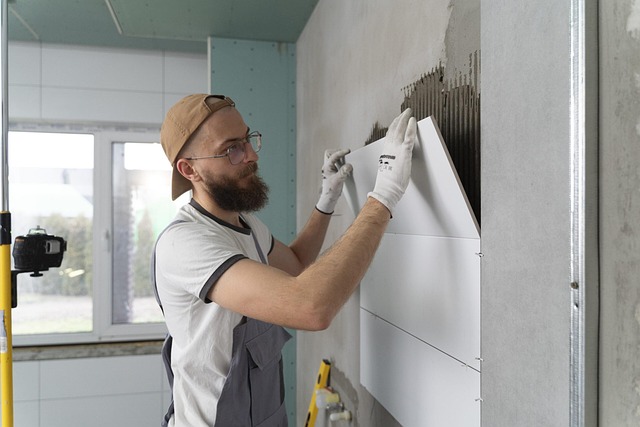
When a home inspection reveals necessary repairs, buyers and their agents must act strategically. This isn’t just about securing the best deal; it’s also about ensuring the home is safe and sound for occupancy. Home inspection borrower requirements dictate that buyers are responsible for understanding and addressing these issues before finalizing the purchase. For instance, a faulty electrical panel or a roof in need of replacement shouldn’t be ignored due to cost concerns. Instead, buyers should view these as opportunities to negotiate with the seller.
A practical approach involves assessing the scope and severity of repairs needed through conversation with a qualified home inspector. The findings from this discussion, coupled with market data on comparable properties, can provide leverage during negotiations. For example, if several significant issues are identified that significantly detract from the property’s value, buyers might reasonably request a reduction in the sale price to cover repair costs. This process requires a balance between advocating for one’s interests and remaining respectful of the seller’s position.
Moreover, home inspection reports should not be seen as a barrier but rather an essential tool in responsible homeownership. Many lenders also require a home inspection as part of their borrower requirements to assess potential risks associated with the property. By proactively addressing these issues, buyers can protect themselves from unforeseen problems down the line and ensure they’re making a wise investment. Ultimately, understanding the implications of a home inspection and taking appropriate action—whether negotiating repairs or accepting them—is crucial for a successful and satisfying home purchase.