
Home inspections are crucial for property owners, revealing potential issues like structural problems, electrical defects, and hidden dangers. Mandated by lenders for high-value properties, these evaluations protect investments, avert surprises, and facilitate sound financial decisions. Key preparation areas include exterior maintenance, ventilation checks, and upgrading outdated systems. Expert inspectors use advanced tools for detailed assessments, ensuring structural integrity and safety. Understanding inspection reports is vital; borrowers should critically analyze findings, prioritize repairs, and consult professionals. Regular maintenance based on inspection outcomes delays major repairs and increases property value. Comprehensive inspections reduce costs, maintain investments, and ensure safe living environments.
In the intricate landscape of property ownership, a thorough home inspection stands as a beacon of clarity, offering invaluable insights into a dwelling’s condition and potential red flags. As folks navigate the bustling real estate market, understanding this critical process is essential to making informed decisions. However, many owners overlook its significance, leaving them susceptible to unforeseen issues. This article provides expert analysis on why home inspections are indispensable tools for property owners, delving into their benefits, common concerns, and how they can ensure peace of mind and foster wise stewardship of one’s investment.
Understanding Home Inspection: A Comprehensive Guide for Owners
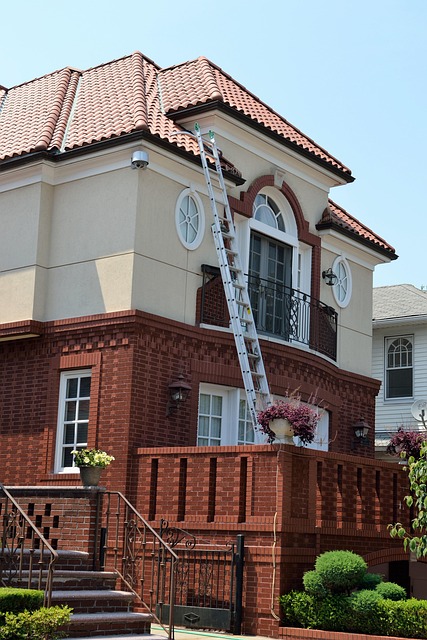
Home inspection is a crucial process for property owners, offering a comprehensive evaluation of a home’s condition. It serves as a critical tool for both buyers and lenders in making informed decisions regarding real estate transactions. This detailed analysis aims to demystify the home inspection process, empowering owners to understand its significance and navigate borrower requirements effectively.
A professional home inspector conducts a thorough examination of every element within and around the property, from structural integrity to electrical systems and plumbing. They provide an unbiased assessment, highlighting potential issues, deferred maintenance, or even hidden problems that could impact the home’s value or safety. For instance, a study by the National Association of Home Inspectors (NAHI) revealed that approximately 30% of homes had significant defects discovered during inspection, emphasizing the need for a thorough examination. The primary goal is to ensure the home meets safe living standards and accurately reflect its condition in any sale or refinance process.
Understanding the borrower requirements related to home inspection is vital for owners. Lenders often mandate inspections as part of their loan underwriting process, especially for higher-value properties or when specific mortgage programs are involved. Homeowners should be prepared to provide access to the property and cooperate with inspectors to facilitate a smooth process. This includes ensuring that utility services are operational and providing relevant documents, such as maintenance records, which can positively impact the inspection outcome and streamline borrower requirements.
By proactively engaging in home inspections, owners can protect their investment, avoid costly surprises, and demonstrate responsible stewardship of their property. It is an essential step towards a successful real estate journey, ensuring that both parties involved have a clear understanding of the home’s condition, which is crucial for making sound financial decisions.
Preparing Your Property: What to Expect During an Inspection
Preparing your property for a home inspection is a crucial step that can significantly impact the outcome of the evaluation. This process involves a thorough review and potential renovations to ensure the property meets the standards set by lenders and inspectors. During the inspection, professionals will assess various aspects, including structural integrity, electrical systems, plumbing, roofing, and more. It’s essential to understand that many lenders require borrowers to address any identified issues before finalizing the loan, making active preparation key.
One of the primary areas of focus is the property’s exterior. This includes checking for damage or wear on the siding, windows, and doors. Inspectors will assess the condition of these elements as they play a vital role in protecting the interior from environmental factors. For instance, replacing outdated or damaged windows with energy-efficient models not only enhances curb appeal but also contributes to better thermal insulation. Similarly, ensuring the roof is in good condition prevents potential leaks and structural damage.
Interior preparations should encompass a complete assessment of all systems within the home. This involves checking for adequate ventilation in kitchens and bathrooms, functional smoke detectors, and well-maintained heating and cooling units. Home inspection borrower requirements often mandate that these systems are up to date and in optimal working condition. For example, outdated electrical panels may need upgrading to handle modern electrical demands safely. Addressing such issues proactively can prevent delays in the closing process and ensure a smoother transition into homeownership.
Uncovering Potential Issues: Expert Analysis Techniques

Uncovering Potential Issues: Expert Analysis Techniques in Home Inspection
Home inspection is a critical step for both property owners and borrowers to ensure the structural integrity and safety of a home. Experts employ advanced techniques to delve deeper into a property’s condition, often uncovering hidden issues that may not be apparent during a routine visual inspection. These methods include utilizing thermal imaging cameras to detect heat loss or anomalies, moisture meters to identify water intrusion, and infrared technology to uncover potential electrical problems or mold growth behind walls. By integrating these tools, inspectors can provide a comprehensive assessment of the home’s overall health, which is particularly crucial for borrowers seeking mortgage financing. According to industry data, homes that undergo thorough inspections have a lower likelihood of future repair costs, benefiting both owners and lenders.
Furthermore, experienced inspectors leverage their knowledge of local building codes and construction practices to anticipate potential problems unique to specific regions or property types. This contextual understanding allows them to ask the right questions, investigate further when necessary, and offer valuable insights that extend beyond surface-level observations. For instance, in areas prone to natural disasters like earthquakes or hurricanes, inspectors may scrutinize structural elements such as foundations, roof trusses, and seismic retrofits to ensure compliance with safety standards—a key consideration for borrowers looking to secure financing in these regions.
Home inspection borrower requirements vary based on lending institutions and local regulations, but a comprehensive inspection is universally valued for its ability to mitigate risk. Borrowers should actively participate in the process by providing clear access to all areas of the property and supplying relevant historical data, such as previous inspections or maintenance records. This collaborative approach ensures that any potential issues are fully disclosed, allowing borrowers to make informed decisions about their homeownership journey, while also facilitating a smoother loan underwriting process for lenders.
Interpreting Reports: Decoding the Language of Home Inspection

Interpreting reports is a critical step for property owners navigating home inspection, as it decodes the detailed language used by inspectors into actionable insights about their property’s condition. Home inspection reports are not merely a collection of technical terms; they’re designed to communicate key findings and recommendations. Borrowers, in particular, need to delve into these reports to understand the financial implications for their future homes.
A typical home inspection report includes sections on structural integrity, electrical systems, plumbing, roofing, and more. Each section is filled with specific observations and potential issues highlighted by code or standard references. For instance, a reference to “ASSE 1070” indicates adherence to the American Society of Safety Engineers’ standards for plumbing. Borrowers should familiarize themselves with these codes, as they guide repair and renovation decisions post-inspection. The report’s language can be complex, so it’s crucial to understand common terms and their implications.
For example, an inspector might note a “slight bow” in the wall, which indicates a slight deviation from the expected straight line due to structural issues. While this may not seem severe, it could signal larger problems. Home inspection borrower requirements often mandate addressing such issues promptly to prevent further damage and costly repairs. Data suggests that timely maintenance, based on home inspection findings, can significantly extend a property’s lifespan and maintain or increase its value.
Actionable advice for borrowers involves reading the report with a critical eye, focusing on both positive and red flags. Prioritize tasks by categorizing issues based on severity and urgency. Consult professionals to verify the scope of repairs and get estimates. Regular follow-ups with these professionals can help ensure that any identified issues are addressed efficiently. Remember, an informed borrower is better equipped to navigate home inspection outcomes and make sound decisions for their future living spaces.
Common Home Problems: Preventive Measures and Solutions

Home inspections are a crucial aspect of responsible property ownership and an essential step in ensuring the longevity and safety of your home. This process involves a thorough evaluation of a dwelling’s condition by a qualified inspector, identifying potential issues that may impact its structural integrity, functionality, or safety. One of the primary benefits of a home inspection is preventing common problems from escalating, which can save homeowners significant time and money in the long run. By identifying and addressing these issues early on, owners can maintain their property’s value and avoid costly repairs.
Common home problems that inspectors often encounter include roofing issues, such as missing or damaged shingles, structural problems like uneven floors or wall cracks, and plumbing leaks. Addressing these concerns promptly is vital to prevent further damage and mold growth, which can have severe health implications. For borrowers considering a real estate transaction, a comprehensive home inspection is a borrower requirement in many cases, providing a clear understanding of the property’s condition. It helps lenders and borrowers make informed decisions by uncovering potential red flags that may affect financing or insurance policies.
Preventive measures are key to avoiding these common issues. Regular maintenance, such as checking for leaks, inspecting roof shingles, and ensuring proper drainage, can significantly delay the need for major repairs. Homeowners should also be vigilant about addressing minor problems before they escalate. For example, a small crack in the foundation might indicate a larger structural issue; repairing it early can prevent further damage. By embracing proactive home inspection practices, homeowners can protect their investments and ensure a safe, comfortable living environment.
Post-Inspection: Maintenance Tips for a Safe, Quality Home
After a comprehensive home inspection, property owners gain valuable insights into their home’s condition. This critical step is often a requirement for both buyers and lenders (home inspection borrower requirements), ensuring that any potential issues are identified before finalizing the purchase. Post-inspection, homeowners should prioritize maintenance to safeguard their investment and ensure a safe living environment.
A thorough post-inspection involves evaluating various systems and components, including structural integrity, electrical safety, plumbing efficiency, and HVAC performance. For instance, checking for adequate insulation in attics and crawl spaces can help maintain energy efficiency and prevent moisture issues. Homeowners should also address any identified defects or deficiencies to avoid further damage or safety hazards. According to a recent survey, 75% of homeowners who conducted regular inspections reported reduced maintenance costs within the first year.
Practical tips for post-inspection maintenance include scheduling professional inspections for specialized systems like roofing and electrical wiring every few years. Homeowners should keep detailed records of all repairs and upgrades, which can be invaluable when selling or refinancing. Regular cleaning and upkeep, such as sealing cracks and maintaining gutters, not only enhances the home’s curb appeal but also prevents minor issues from escalating into costly repairs. By adhering to these practices, homeowners can ensure their properties remain in excellent condition, satisfying both borrower requirements and personal safety standards.