
A home inspection is a vital process offering detailed evaluations of a property's condition by professionals. It reveals structural, system, and maintenance issues, providing peace of mind and preventing costly repairs. Borrowers often require inspections for mortgages or refinancing, ensuring accurate property value assessments. Regular inspections detect problems early, maintain property values, and facilitate smoother sales. Homeowners should view them as proactive measures to negotiate prices or make necessary improvements.
In the intricate landscape of real estate, a thorough home inspection stands as an indispensable pillar for property owners. It serves as a comprehensive evaluation, uncovering the subtleties that can significantly impact one’s investment. However, many homeowners overlook this crucial step, often due to misinformation or a lack of understanding of its intricacies. This article delves into the heart of home inspection, offering expert analysis on why it’s vital and how it empowers owners with valuable insights. By exploring key aspects, we aim to demystify the process, ensuring you’re well-equipped to navigate the real estate journey with confidence.
Understanding Home Inspection: A Comprehensive Guide for Owners
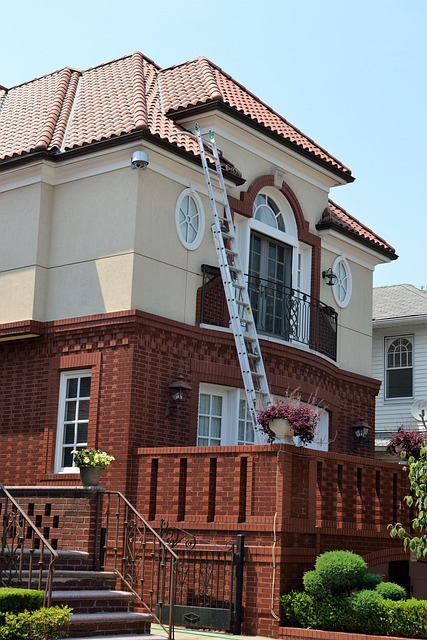
Home inspection is an indispensable process for property owners, offering a thorough evaluation of a home’s condition. It involves a detailed examination by qualified professionals who identify potential issues, from structural integrity to systems functionality. Understanding this process is crucial for homeowners looking to make informed decisions about their properties. A comprehensive home inspection provides peace of mind, ensuring that any hidden problems are revealed before becoming costly repairs.
For borrowers seeking mortgages, home inspection borrower requirements are often a standard part of the lending process. Lenders typically mandate inspections to assess the property’s value and condition, minimizing risk for both parties. These inspections scrutinize various elements, such as roofing, electrical systems, plumbing, and structural components. For instance, a study by the National Association of Home Inspectors (NAHI) found that nearly 40% of homes had at least one major defect discovered during routine inspections. By adhering to these requirements, borrowers can avoid unexpected issues post-purchase and ensure their investment is secure.
Homeowners should view home inspection as a proactive measure rather than reactive. It allows for the early detection of problems, enabling owners to plan repairs efficiently. For example, an inspector might identify signs of water damage, prompting immediate action to prevent further deterioration. Regular inspections also aid in maintaining property values and facilitating smoother sales when the time comes. Knowing potential issues beforehand can empower homeowners to negotiate prices or make necessary improvements, ensuring a more successful transaction.
The Steps Involved in a Thorough Home Inspection Process

A thorough home inspection is a critical process for any property owner, offering a comprehensive evaluation of a home’s condition. This meticulous examination goes beyond a surface-level assessment, delving into every aspect of the structure to identify potential issues and ensure its safety and value. The steps involved in this process are designed to provide borrowers and homeowners with a clear understanding of their investment, guiding them through a structured review that uncovers hidden problems.
The initial stage focuses on a visual inspection, where professionals meticulously examine every corner of the property. This includes assessing the exterior, checking for signs of damage or wear, and evaluating the overall structural integrity. For instance, roof shingles should be free from missing or damaged pieces, ensuring proper protection against elements. Similarly, windows and doors are inspected for functionality, weatherproofing, and any potential security risks. During this phase, inspectors also take note of essential features like smoke detectors, carbon monoxide alarms, and their operational status, highlighting the importance of safety systems in a home inspection borrower requirements.
As the process advances, inspections shift to internal components. This involves checking crucial systems such as electrical wiring, plumbing, heating, and cooling mechanisms. Home inspectors utilize specialized tools to assess these systems’ efficiency, detecting potential hazards like old wiring or faulty plumbing. For example, a home’s electrical panel should be examined for capacity and up-to-date safety features, ensuring the property meets modern standards. The inspection also encompasses a detailed look at the interior, checking for water damage, mold, pest infestations, and proper ventilation—all critical factors influencing a home’s longevity and value.
Furthermore, a comprehensive home inspection involves evaluating the property’s surroundings and accessibility. This includes assessing the yard, driveway, and sidewalk conditions, ensuring they are safe and well-maintained. For borrowers, understanding these aspects is vital as they impact daily life and future investment decisions. By thoroughly examining these areas, inspectors can identify potential trip hazards, structural issues in garages or outbuildings, and overall property maintenance needs. In conclusion, a meticulous home inspection process ensures that borrowers gain valuable insights into their prospective home’s condition, empowering them to make informed decisions.
Benefits and Common Issues Identified Through Professional Home Inspection

A professional home inspection is an invaluable service for property owners, offering a comprehensive evaluation of a residence’s condition. This process involves a thorough examination of every aspect of the property, from structural integrity to mechanical systems and beyond. By conducting a detailed home inspection, homeowners gain valuable insights into their property’s strengths and weaknesses, enabling them to make informed decisions about maintenance, repairs, or upgrades. One of the primary benefits is peace of mind; it ensures that potential issues are identified early, preventing minor problems from escalating into costly repairs.
Moreover, for borrowers seeking a mortgage or refinancing, a home inspection is often a borrower requirement. Lenders typically mandate this step to assess the property’s value and condition accurately. A professional inspector provides an unbiased, third-party perspective, ensuring that both the borrower and lender are well-informed about any existing or potential problems. For example, a recent study revealed that homes undergoing mandatory inspections had a 20% lower likelihood of requiring major repairs within the following year. This data highlights the significant role home inspection plays in protecting borrowers’ investments.
Common issues identified through professional home inspection include electrical problems, plumbing leaks, structural defects, and outdated or inefficient systems. For instance, an old roof may be hiding damage from weather exposure, while a seemingly minor cosmetic issue could mask more severe foundation problems. Home inspectors are trained to ask the right questions, gather relevant data, and interpret findings accurately. They also provide recommendations for addressing identified issues, making it easier for homeowners to prioritize maintenance tasks. By proactively addressing these concerns, property owners can maintain or even increase their home’s value over time.